


Between chemistry and routine: An adult look at cannabis use (1/2)
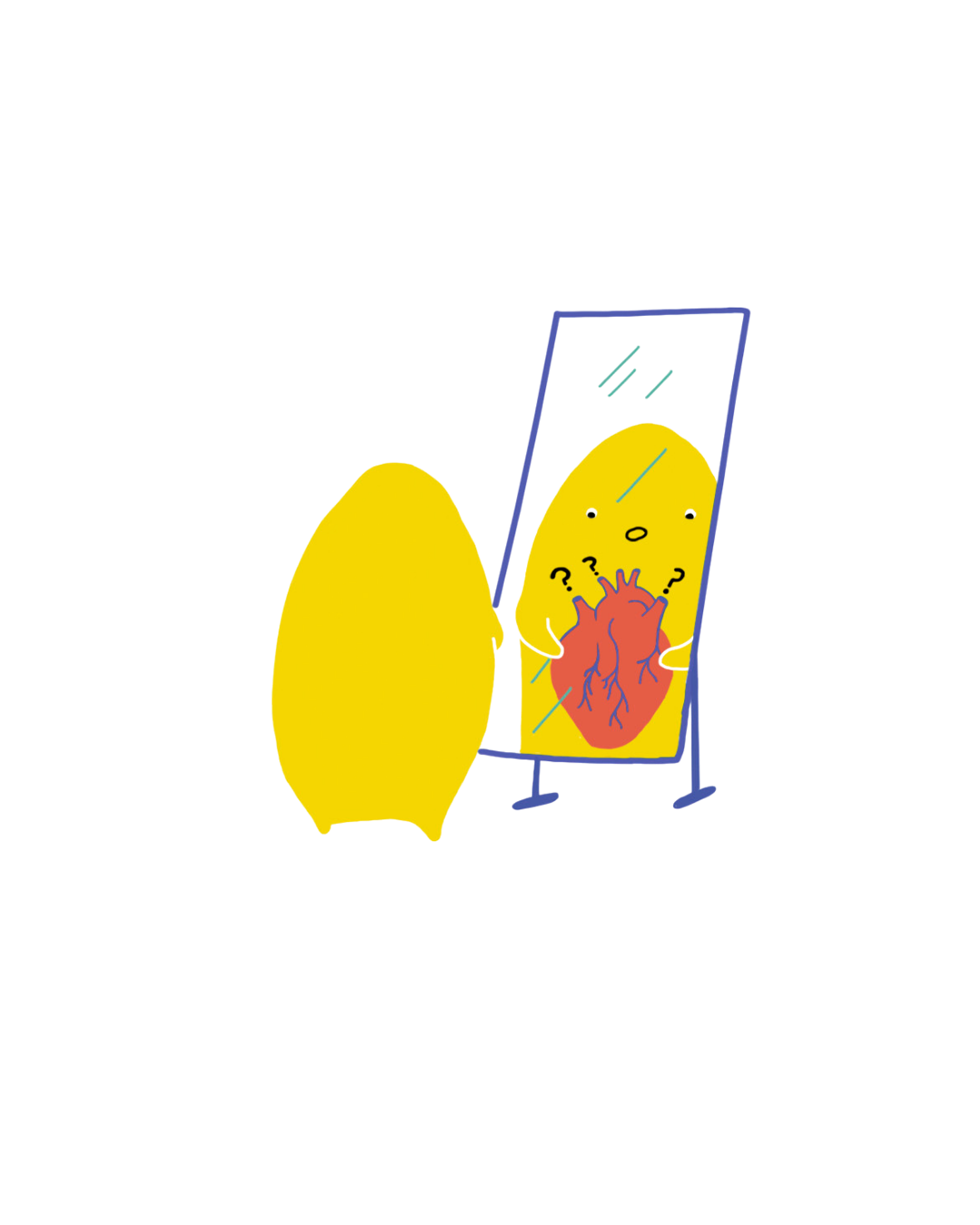
Cannabis use is no longer a fringe activity but rather part of many adults’ lives. However, this social normalisation has not always been accompanied by clear and useful information. Many people know how they feel after consuming cannabis, yet they do not always understand what is behind that sensation or why the same product can have different effects from one day to the next. Gaining a basic understanding of the biology involved is not a matter of technicalities, but instead a tool to avoid unexpected surprises, make more informed choices and understand why some experiences can be surprising. In a context where potency levels and formats have evolved much faster than public education, this framework of knowledge becomes particularly valuable. This first part explores what cannabis does inside the body and why no two experiences are ever the same.
What Happens Inside the Body When We Consume: A Story Worth Knowing
The Endocannabinoid System: The Stage Where Everything Happens
One of the most fascinating—and often invisible—systems in our body is the endocannabinoid system (ECS). It is not a mechanism created by cannabis; it is an internal system that existed long before any relationship with the plant. Its receptors (CB1 and CB2, among others) are distributed throughout the brain, organs, tissues and immune system. This system is involved in everyday functions such as appetite, time perception, stress response, working memory, coordination and the regulation of neuronal hyperactivity.
The compounds in cannabis bind to these receptors in a way that is similar to substances our own bodies produce. This binding is neither simple nor linear: it is flexible and sensitive to multiple factors. This is why a product that feels mild one day may feel intense on another. The ECS functions like an emotional and neurological thermostat that adjusts many processes at once, and cannabis interacts with it at a specific moment, in a specific context and within a specific organism.
When this internal balance is overstimulated, sensations such as confusion about time, tachycardia, excessive intensity or the perception of a “bad trip” may appear. The article Falsa creença o realitat: existeix la sobredosi de cànnabis (False Belief or Reality: Does Cannabis Overdose Exist?) explains in detail how these experiences are not overdoses in the classic sense, but rather the result of overly rapid ECS activation.
A Plant with Many Voices: Cannabinoids, Terpenes and Other Molecules
Although many products only indicate the percentage of THC or CBD, cannabis is far more than two numbers. The plant contains hundreds of molecules, each playing a different role in the overall experience. These include secondary cannabinoids such as CBG, CBC, THCV and CBN, which can alter the duration, intensity and even the direction of the effect. Terpenes—responsible for citrus, earthy, fruity or floral aromas—also influence how the final sensation is perceived.
There are sulphur compounds that produce very distinctive smells—from petrol-like notes to hints reminiscent of garlic—and flavonoids that provide purple, bluish or reddish pigments. All of this explains why two flowers with the same THC percentage can be radically different on a sensory and subjective level.
If you are interested in understanding why overall quality matters more than numerical potency, the articles La grandària no importa (1) (Size Doesn’t Matter [1]) and Cànnabis i terpens (Cannabis and Terpenes) explore this in depth.
Simple Products and Complex Products: Two Different Consumption Philosophies
- Simple Products: Precision, Potency and Uniformity
When we talk about simple and complex products, we are not referring to whether they are good or bad, but to how they are made, what they contain and what they offer.
Simple products are based on isolated molecules.
These include THC distillates, highly purified vape cartridges and some oils or extracts where the main molecules are separated and laboratory-selected terpenes are later added.
These products:
- offer a more linear and standardised effect,
- often have a stronger and more direct onset,
- show less variability between batches,
- may be especially appealing to people seeking immediate intensity.
However, they can also feel “dry” or abrupt in how the effects kick in. This is why they often surprise even people who are used to consuming flower. The practice of dabbing is the clearest example: very pure concentrates that act almost instantaneously (Dabbing: eleva la teva experiència - Dabbing: Elevate Your Experience).
- Complex Products: Richness of Nuance and More Rounded Experiences
Complex products retain most of the plant’s natural chemistry: well-grown flowers, traditional hashish, less refined extracts such as rosin or certain full-spectrum products.
These products:
- offer a more linear and standardised effect,
- often have a stronger and more direct onset,
- show less variability between batches,
- may be especially appealing to people seeking immediate intensity.
The difference is not only technical; it is almost philosophical. Simple products aim for precision; complex ones aim for depth.
Neither is superior to the other—it depends on what is desired at any given moment.
Inhaling or Ingesting: Two Completely Different Journeys
Even when the substance is the same, the bodily pathways are radically different. With inhalation, effects appear within minutes and fade over a relatively short period, allowing for better adjustment based on how the impact is felt.
With ingestion, the liver converts THC into a more potent and longer-lasting metabolite, which is why a small dose can lead to a delayed and unexpected effect hours later.
The most common mistake is repeating the dose before the first one has taken effect. The result is a sudden, heavy onset that many people describe as a “miscalculation”.
You can explore this further in La ingesta de productes alimentaris amb cànnabis (Consuming Cannabis Edibles).
Driving, Mixing and Other Moments When It’s Best to Stop
Driving while under the influence of cannabis is really not a good idea. Whether someone feels fine or believes they have “only had a little”, reaction time and time perception are affected.
The article Cànnabis i conducció (Cannabis and Driving) explains why.
Mixing substances also deserves attention: cannabis plus alcohol can increase the risk of loss of coordination (barreges THC + alcohol) (THC + alcohol combinations), and combinations with stimulants, depressants or hallucinogens are particularly unpredictable (barreges THC + estimulants) (THC + stimulant combinations).
Talking about this is not meant to scare anyone; it is about creating space for informed decision-making.
